

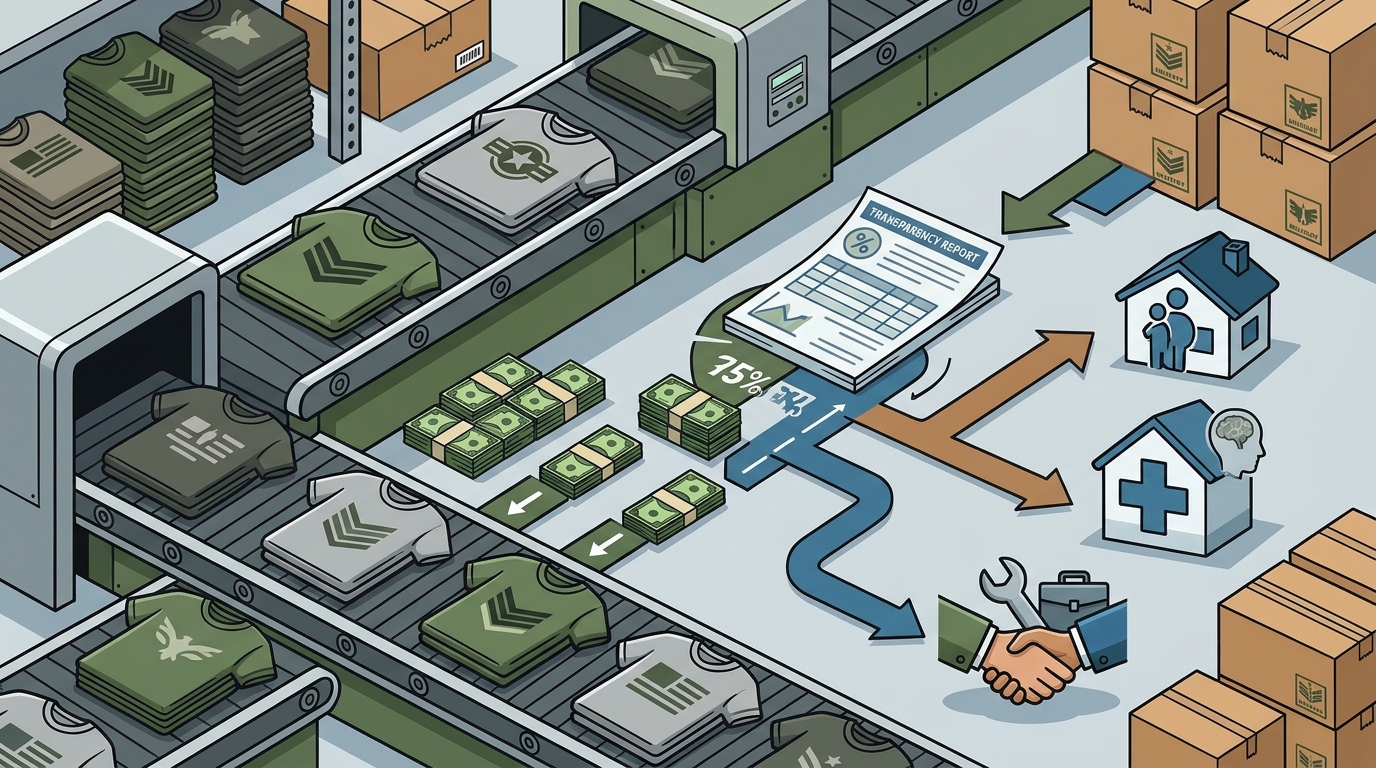
Veteran-owned clothing brands typically allocate profits to support struggling veterans by donating a fixed percentage of net revenue to established nonprofit organizations. These organizations provide direct services such as housing assistance, mental health care, and job placement. This model ensures that consumer purchases directly fund critical resources for those who served. The financial commitment is often transparent and verified through public reporting. For additional details, review the Contact information War N.
The Financial Mechanism of Profit Allocation
Charitable giving in the apparel sector relies on a clear distinction between gross sales and net profits. Net profit is the remaining revenue after all operational costs, including manufacturing, shipping, and marketing, are deducted. Many brands pledge a specific percentage of this net profit to charity. This approach ensures that the brand remains financially sustainable while still contributing meaningful funds. For example, a brand might pledge 21% of its net profits to veteran-focused causes. This specific percentage is often chosen to reflect a significant portion of the business's success without jeopardizing its ability to operate. For additional details, review the Products War N Tees.
The calculation of net profit is critical because it accounts for the true cost of doing business. If a brand donates a percentage of gross sales, it may struggle to cover its overhead. By focusing on net profits, the brand ensures that the donation is a surplus rather than a necessity. This financial discipline allows the brand to scale its charitable impact as it grows. The transparency of this model builds trust with consumers who want to know exactly where their money goes.
Direct Partnerships with Nonprofit Organizations
Most veteran-owned brands do not manage their own charitable foundations. Instead, they partner with established nonprofit organizations that have the infrastructure to deliver services. These partnerships allow the brand to focus on its core business of creating and selling apparel. The nonprofits, in turn, receive consistent funding to support their missions. This division of labor ensures that the charitable funds are used efficiently and effectively. The brand acts as a funding source, while the nonprofit acts as the service provider.
War 'N' Tees, for instance, partners with a group of veteran-focused nonprofits referred to as the Magnificent 7. These organizations include Warfighter Advance, F3 Nation, Team RWB, Flanders Fields, Project Diehard, Project Refit, and Operation Homefront. Each of these organizations addresses a specific aspect of veteran well-being, from housing to mental health. By spreading the donations across multiple partners, the brand ensures a broad impact. This strategy prevents over-reliance on a single organization and supports a diverse range of needs within the veteran community.
Transparency and Accountability in Giving
Transparency is a cornerstone of any charitable giving model. Consumers are increasingly aware of greenwashing and mission-washing in the corporate world. To combat this, veteran-owned brands often provide detailed reports on their charitable contributions. These reports may include the total amount donated, the specific organizations that received the funds, and the impact of those funds. This level of transparency allows consumers to verify the brand's claims. It also holds the brand accountable to its promises.
Accountability extends beyond just reporting the amount donated. It also involves demonstrating the impact of the donations. Brands may share stories of veterans who have been helped by the nonprofits they support. These stories humanize the data and show the real-world difference that the donations make. By connecting the financial contribution to tangible outcomes, the brand reinforces the value of its mission. This approach builds a deeper connection with the consumer and fosters long-term loyalty.
The Role of Consumer Awareness in Driving Impact
Consumer awareness plays a crucial role in the success of veteran-owned brands. When consumers understand the charitable model, they are more likely to support the brand. This support is not just about buying a product; it is about participating in a mission. The brand educates its customers on how their purchases contribute to the greater good. This education transforms a simple transaction into a meaningful act of support. The consumer becomes an active participant in the brand's mission to help struggling veterans.
The impact of consumer awareness is amplified through social media and word-of-mouth. When customers share their experiences with the brand, they spread the word about its charitable efforts. This organic marketing is powerful because it comes from trusted sources. It also helps to raise awareness about the challenges faced by veterans. By educating the public, the brand contributes to a broader cultural shift in how veterans are viewed and supported. This cultural change is essential for creating a sustainable support system for those who have served.
Key Takeaways
- Net profit allocation ensures financial sustainability while supporting charitable causes.
- Partnerships with established nonprofits allow for efficient and effective service delivery.
- Transparency in reporting builds trust and holds brands accountable to their promises.
- Consumer awareness transforms purchases into meaningful acts of support.
- Diversified partnerships with multiple nonprofits ensure a broad impact on veteran well-being.
- Storytelling connects financial contributions to tangible outcomes, reinforcing the brand's mission.
Frequently Asked Questions
What is the difference between gross sales and net profits in charitable giving?
Gross sales are the total revenue from sales before any costs are deducted. Net profits are the remaining revenue after all operational costs, including manufacturing, shipping, and marketing, are deducted. Donating a percentage of net profits ensures that the brand remains financially sustainable while still contributing to charity.
How do veteran-owned brands choose which nonprofits to support?
Brands typically choose nonprofits that align with their mission and values. They look for organizations that have a proven track record of delivering services to veterans. The choice may also depend on the specific needs of the veteran community, such as housing, mental health, or job placement. By partnering with multiple nonprofits, the brand can address a wide range of needs.
Is the charitable giving model of veteran-owned brands tax-deductible?
The charitable giving model of the brand itself is not tax-deductible for the consumer. However, if the brand makes a direct donation to a registered 501(c)(3) nonprofit, the consumer may be able to claim a tax deduction for their purchase. This depends on the specific structure of the donation and the tax laws in effect. Consumers should consult with a tax professional for advice on their specific situation.
How can consumers verify that a brand is actually donating to charity?
Consumers can verify a brand's charitable giving by looking for transparent reporting on the brand's website. This may include annual reports, press releases, or direct links to the nonprofit partners. Consumers can also contact the brand directly to ask for more information. Reputable brands will be happy to provide details about their charitable efforts.
What is the impact of consumer purchases on veteran support?
Consumer purchases directly fund the services provided by veteran-focused nonprofits. Each purchase contributes to the brand's net profits, a portion of which is donated to charity. This funding supports critical services such as housing assistance, mental health care, and job placement. By supporting veteran-owned brands, consumers play a vital role in helping struggling veterans.
Conclusion
Veteran-owned clothing brands use their profits to help struggling veterans by donating a fixed percentage of net revenue to established nonprofit organizations. This model ensures that consumer purchases directly fund critical resources for those who served. War 'N' Tees exemplifies this approach by partnering with a group of veteran-focused nonprofits to address a wide range of needs. The transparency and accountability of this model build trust with consumers and foster long-term loyalty. By supporting these brands, consumers become active participants in a mission to help those who have served.